
5th Edition of World Nursing Research Conference 2026
Speakers - WNRC2026
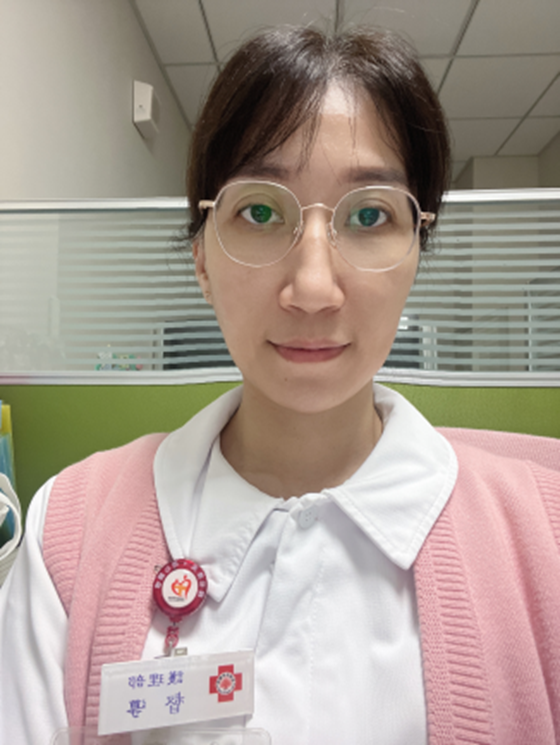
Yen Ting Chen
Yen Ting Chen
- Designation: Hsinchu Municipal MacKay Children's Hospital, Taiwan
- Country: Taiwan
- Title: A Longitudinal Study of the Association Between Symptom Distress and Quality of life in Patients Newly Diagnosed with Breast Cancer
Abstract
Background:
Breast cancer is the most commonly diagnosed cancer among women worldwide. In Taiwan, over 10,000 women are diagnosed annually, and despite a five-year survival rate exceeding 90%, patients often face substantial physical and emotional challenges during treatment. Symptom distress during chemotherapy has been shown to affect patients’ overall quality of life (QoL), yet longitudinal evidence remains limited.
Purpose:
This study aimed to explore the dynamic changes and relationships between symptom distress, emotional distress, and quality of life in newly diagnosed breast cancer patients throughout their chemotherapy treatment.
Methods:
A longitudinal design was employed. Data were collected using structured questionnaires from breast cancer patients at six time points: pre-surgery (T0), pre-chemotherapy (T1), second (T2), fourth (T3), and sixth (T4) chemotherapy sessions, and one week after completing chemotherapy (T5). Instruments included the Symptom Distress Scale (SDS), the Brief Symptom Rating Scale (BSRS-5), and the EORTC QLQ-C30 for QoL assessment.
Results:
Symptom distress and emotional distress both significantly increased during chemotherapy, peaking at T4. SDS scores rose from 32.91 at T0 to 45.94 at T4. Emotional distress followed a similar trend. Quality of life scores, especially symptom-related QoL (QOL-S), decreased as treatment progressed, while functional QoL (QOL-F) remained relatively stable. Pearson correlations revealed significant associations between SDS and BSRS-5 (r = .680, p < .01), and SDS and QOL-S (r = .660, p < .01), but not with QOL-F.
Conclusion:
These findings emphasize the need for timely assessment and intervention targeting symptom and emotional distress in breast cancer patients undergoing chemotherapy. Clinical nurses play a critical role in providing integrative care strategies to support patients' well-being and improve treatment outcomes.
The 5th Edition of the World Nursing Research Conference (WNRC) 2026 will ...
Read More>>
Organizer
